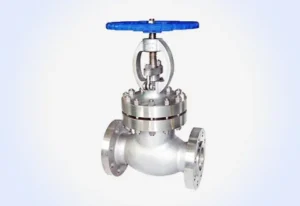
Alloy Steel Gate Valve Manufacturer & Supplier in Saudi Arabia
Alloy Steel Gate Valve
Alloy Steel Gate Valves are heavy-duty industrial isolation valves designed for high-pressure, high-temperature and demanding process applications. These valves use a wedge or gate mechanism to completely stop or permit fluid flow through a pipeline.
Alloy steel construction is particularly suitable for applications where higher mechanical strength, elevated-temperature capability and resistance to demanding operating conditions are required.
We supply Alloy Steel Gate Valves for oil and gas, refinery, petrochemical, chemical, power generation, fertilizer, steam and industrial process applications.
What Is an Alloy Steel Gate Valve?
An Alloy Steel Gate Valve is a linear-motion isolation valve in which a gate moves vertically inside the valve body.
When the valve is fully open, the gate is lifted away from the flow passage, providing a relatively unobstructed path for the process fluid. When closed, the gate moves between the valve seats and isolates the pipeline.
Gate valves are primarily designed for full-open and full-closed isolation service, rather than continuous throttling.
Alloy Steel Gate Valve Manufacturer
As an industrial valve supplier, we provide Alloy Steel Gate Valves in different:
- Sizes
- Pressure classes
- Alloy steel grades
- Trim combinations
- Bonnet designs
- End connections
- Seat configurations
- Operating arrangements
Valves can be supplied according to customer drawings, datasheets, applicable standards and project specifications.
Alloy Steel Gate Valve Features
Main Features
- Heavy-duty alloy steel construction
- High mechanical strength
- Suitable for high-pressure applications
- Suitable for elevated-temperature service
- Full-flow design
- Low pressure drop when fully open
- Bi-directional flow capability for suitable designs
- Robust wedge construction
- Rising stem or non-rising stem options
- Bolted bonnet or pressure-seal bonnet
- Flanged and butt-weld end connections
- Manual handwheel operation
- Gearbox operation
- Electric actuator options
- Suitable for steam and process applications
- Available in cast and forged construction
Alloy Steel Gate Valve Construction
Body
The valve body is the main pressure-containing component. Alloy steel material is selected according to design pressure, temperature and process requirements.
Bonnet
The bonnet encloses the internal components and provides access for maintenance. Depending on the valve design, bolted bonnet or pressure-seal bonnet construction may be provided.
Gate
The gate is the main closure element. Common designs include:
- Solid wedge
- Flexible wedge
- Split wedge
- Parallel slide gate
Seat
The seat provides sealing between the gate and body. Seats can be integral, welded or manufactured according to the specified valve trim.
Stem
The stem transfers operating torque from the handwheel or actuator to the gate.
Packing
Stem packing prevents leakage around the stem and is selected according to pressure, temperature and service requirements.
Handwheel / Gearbox
Smaller valves may use handwheel operation, while larger valves may be equipped with gearboxes or actuators.
Alloy Steel Gate Valve Technical Specifications
| Parameter | Specification |
|---|---|
| Valve Type | Gate Valve |
| Material | Alloy Steel |
| Design | Wedge / Parallel Slide |
| Operation | Manual / Gear / Electric |
| Body | Alloy Steel |
| Bonnet | Alloy Steel / Specified Material |
| Gate | Alloy Steel / Specified Trim |
| Stem | Alloy / Stainless Steel / Specified Trim |
| Seat | Metal Seated |
| Connection | Flanged / Butt Weld / Socket Weld |
| Pressure Rating | Class 150–2500, as applicable |
| Size | As required |
| Flow Direction | Bi-directional, depending on design |
| Service | Steam / Oil / Gas / Chemical / Process |
| Testing | As per applicable standard |
Types of Alloy Steel Gate Valves
Alloy Steel Wedge Gate Valve
Wedge gate valves use a wedge-shaped closure element that moves between two seats.
They are widely used for pipeline isolation in industrial process systems.
Alloy Steel Flexible Wedge Gate Valve
The flexible wedge design allows controlled movement of the wedge and can accommodate certain thermal and alignment effects.
Alloy Steel Solid Wedge Gate Valve
Solid wedge valves provide a simple and robust design for general isolation applications.
Alloy Steel Parallel Slide Gate Valve
Parallel slide gate valves use parallel closure elements and are commonly considered for selected high-pressure and high-temperature services.
Alloy Steel Pressure Seal Gate Valve
Pressure-seal gate valves are designed for demanding pressure and temperature applications. Internal pressure assists the bonnet sealing mechanism.
Alloy Steel Forged Gate Valve
Forged alloy steel gate valves are commonly used for smaller sizes and higher-pressure applications.
Alloy Steel Cast Gate Valve
Cast alloy steel gate valves are commonly used for larger pipeline sizes and industrial applications.
Alloy Steel Gate Valve Size Range
Alloy steel gate valves are available in a wide range of sizes depending on the valve design.
Small Bore
- ½”
- ¾”
- 1″
- 1½”
- 2″
Medium Bore
- 3″
- 4″
- 6″
- 8″
- 10″
- 12″
- 14″
- 16″
Large Bore
- 18″
- 20″
- 24″
- 30″
- 36″
- 40″ and larger, subject to design
Alloy Steel Gate Valve Pressure Rating
Depending on the design and applicable standard, valves may be available in:
- ASME Class 150
- ASME Class 300
- ASME Class 600
- ASME Class 900
- ASME Class 1500
- ASME Class 2500
Higher pressure ratings may be available for specialized forged or pressure-seal designs.
The actual allowable pressure must always be confirmed from the manufacturer’s pressure-temperature rating.
Alloy Steel Gate Valve End Connections
Flanged Alloy Steel Gate Valve
Flanged gate valves are commonly used in industrial process piping because they can be installed and removed without cutting the pipeline.
Butt Weld Alloy Steel Gate Valve
Butt-weld gate valves provide a permanent welded connection and are commonly used in high-pressure and high-temperature piping systems.
Socket Weld Alloy Steel Gate Valve
Socket-weld configurations are suitable for selected small-bore high-pressure applications.
Alloy Steel Gate Valve Standards
Depending on valve type and project requirements, commonly applicable standards can include:
- API 600 – Bolted Bonnet Steel Gate Valves
- API 602 – Compact Steel Gate, Globe and Check Valves
- API 6D – Pipeline and Piping Valves
- ASME B16.34 – Valves
- ASME B16.5 – Pipe Flanges and Flanged Fittings
- ASME B16.10 – Face-to-Face and End-to-End Dimensions
- ASME B16.25 – Buttwelding Ends
- ISO 5208 – Pressure Testing of Metallic Valves
The applicable standard should be confirmed from the customer’s purchase specification.
Alloy Steel Gate Valve Applications
Oil & Gas
Alloy steel gate valves are used for isolation duties in oil and gas production, transportation and processing systems.
Refinery
Refineries use gate valves in process and utility piping systems for reliable isolation.
Petrochemical
Alloy steel gate valves can be selected for demanding petrochemical applications involving elevated temperatures and pressures.
Power Plants
Gate valves are widely used in steam, boiler, feedwater and auxiliary piping systems where the selected material and design are suitable.
Chemical Industry
They can be used for process isolation where the valve materials are compatible with the chemical medium.
Fertilizer Industry
Alloy steel gate valves can be used in selected high-temperature and high-pressure fertilizer process services.
Steam Pipeline
Appropriately designed alloy steel gate valves are suitable for many high-temperature steam applications.
Advantages of Alloy Steel Gate Valves
High Strength
Alloy steel can provide excellent mechanical properties for demanding operating conditions.
High-Temperature Performance
Selected alloy steel grades are suitable for elevated-temperature applications.
Full Flow
When fully open, the gate can move completely away from the flow path, minimizing flow obstruction.
Low Pressure Drop
The relatively unobstructed flow path can provide low pressure loss when the valve is fully open.
Reliable Isolation
Gate valves are widely used for dependable pipeline isolation.
Long Service Life
Correctly selected and maintained gate valves can provide long-term industrial service.
Alloy Steel Gate Valve for High Temperature Service
High-temperature applications require careful selection of the:
- Body material
- Gate material
- Stem material
- Seat design
- Packing
- Bonnet construction
- Pressure-temperature rating
For steam and high-temperature hydrocarbon service, the complete valve construction should be reviewed rather than selecting the valve based only on the general term “alloy steel.”
Alloy Steel Gate Valve for High Pressure Service
High-pressure gate valves may use:
- Forged construction
- Pressure-seal bonnet
- High-strength alloy materials
- Specialized valve trim
- Butt-weld connections
- Higher pressure classes
The final valve configuration should be selected according to design pressure, temperature and applicable standards.
Alloy Steel Gate Valve Testing
Depending on the applicable standard and customer specification, testing can include:
- Body hydrostatic test
- High-pressure seat test
- Low-pressure seat test where applicable
- Backseat test where applicable
- Functional operation test
- Visual inspection
- Dimensional inspection
- Material verification
- Positive Material Identification (PMI), where specified
Alloy Steel Gate Valve Inspection Documents
For project requirements, documentation may include:
- Valve datasheet
- General Arrangement drawing
- Dimensional drawing
- Material Test Certificate
- Hydrostatic Test Certificate
- Seat Leakage Test Certificate
- Certificate of Conformance
- Inspection & Test Plan
- PMI Report
- Final Inspection Report
- Operation & Maintenance Manual
- Actuator or gearbox documentation
How to Select an Alloy Steel Gate Valve
1. Valve Size
Determine the nominal pipeline size.
2. Pressure Class
Specify the required ASME pressure class based on design pressure.
3. Temperature
Specify minimum, normal and maximum operating temperatures.
4. Process Fluid
Identify whether the service is steam, oil, gas, water, chemical or another process medium.
5. Material Grade
Select the appropriate alloy steel grade based on pressure, temperature and service requirements.
6. Valve Trim
Specify gate, seat, stem and other internal materials.
7. Connection
Choose flanged, butt-weld or socket-weld ends as required.
8. Operator
Specify handwheel, gearbox or automated operation.
Alloy Steel Gate Valve Maintenance
Regular maintenance helps maintain valve reliability.
Recommended activities include:
- Visual inspection
- Checking body and bonnet joints
- Inspecting stem condition
- Checking packing leakage
- Checking handwheel operation
- Checking gearbox operation
- Lubricating components where specified
- Inspecting internal components during planned shutdowns
- Performing pressure testing after major maintenance when required
Maintenance procedures should follow the manufacturer’s instructions and plant safety requirements.
Alloy Steel Gate Valve Supplier in India
We supply Alloy Steel Gate Valves in India for industrial and process applications.
Our supply range can be configured according to customer requirements for:
- Size
- Class
- Alloy steel grade
- Trim
- End connection
- Bonnet design
- Seat design
- Operation
- Testing
- Inspection documentation
We can support requirements for oil & gas, refinery, petrochemical, chemical, power and fertilizer projects.
Alloy Steel Gate Valve Exporter
We also support international supply requirements for alloy steel gate valves.
Export orders can be supplied with project-specific technical documentation, inspection certificates, material certificates, pressure-test reports and suitable export packing.
Why Choose Our Alloy Steel Gate Valves?
Customers can specify valves according to their exact project requirements rather than selecting a generic valve configuration.
Our technical supply support can include:
- Product selection
- Technical datasheets
- GA drawings
- Material documentation
- Pressure-test certificates
- Inspection documentation
- Project-specific valve configurations
- Domestic supply
- Export supply
Frequently Asked Questions
What is an Alloy Steel Gate Valve?
An Alloy Steel Gate Valve is an isolation valve manufactured using specified alloy steel materials and designed to start or stop flow through a pipeline.
What is an alloy steel gate valve used for?
It is commonly used in oil & gas, refinery, petrochemical, chemical, power, fertilizer and steam applications.
Can an alloy steel gate valve handle high temperature?
Selected alloy steel gate valve designs can be used for high-temperature service when the complete valve construction has the required pressure-temperature rating.
Can a gate valve be used for throttling?
Gate valves are primarily designed for full-open or full-closed isolation. Continuous throttling should generally be avoided unless the manufacturer specifically approves the application.
What is the difference between cast and forged alloy steel gate valves?
Cast construction is commonly used for larger valve sizes, while forged construction is frequently used for smaller high-pressure valves. The appropriate construction depends on the design and specification.
What is a pressure-seal gate valve?
A pressure-seal gate valve uses internal pressure to assist sealing between the bonnet and body, making the design suitable for many high-pressure and high-temperature services.
What information is required for a quotation?
Provide the valve size, pressure class, material grade, trim, process medium, operating temperature, connection type, bonnet design and operator requirement.
Conclusion
Alloy Steel Gate Valves are reliable industrial isolation valves designed for demanding pressure and temperature applications. Their robust construction, relatively unobstructed flow passage and availability in wedge, parallel-slide, forged and pressure-seal configurations make them suitable for a broad range of industrial services.
For correct valve selection, always verify the alloy steel grade, pressure-temperature rating, valve trim, bonnet construction, end connection and applicable standard against the approved project specification.